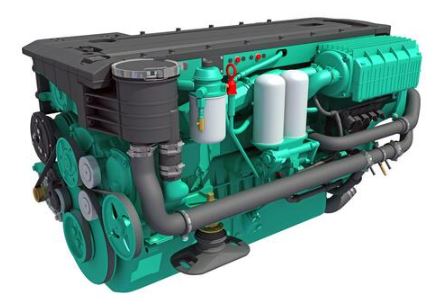
Marine Systems
Essential Guide to Preventive Maintenance for Marine Engines
Ensure safe and reliable marine engine operation with our preventive maintenance guide. Learn essential checks and maintenance routines for optimal performance.
Key takeaways
- Consistent preventive maintenance is the most effective way to enhance engine reliability, operator safety, and component longevity.
- A structured approach involving daily, weekly, monthly, and seasonal checks is vital for identifying wear before it becomes a failure.
- Meticulous documentation of maintenance activities is critical for upholding manufacturer warranties and maintaining accurate vessel performance history.
Article topic
Marine Systems
Ensure safe and reliable marine engine operation with our preventive maintenance guide. Learn essential checks and maintenance routines for optimal performance.
Why Preventive Maintenance Matters
Preventive maintenance for marine engines is the backbone of safe and predictable maritime operations. By shifting from reactive repairs to a proactive care schedule, you significantly reduce the risk of mechanical breakdowns at sea, ensure consistent engine reliability, and maximize the operational lifespan of your propulsion system. Furthermore, following a documented maintenance routine is often a requirement for maintaining manufacturer warranty coverage and can provide essential peace of mind when operating in challenging conditions. A well-maintained engine is not just an asset; it is the most vital safety component aboard your vessel. Regular care reduces the long-term cost of ownership by addressing friction, heat, and chemical degradation before they cause catastrophic mechanical failure. When you adopt a preventive mindset, you are essentially buying insurance against the high costs and risks associated with emergency repairs in remote or high-traffic waters.
Daily Checks Before Departure
Before you clear the dock, perform these fundamental checks to ensure your engine is ready for the journey ahead:
- Oil Level: Confirm the lubricant sits precisely at the 'full' mark on the dipstick when the engine is level and cold.
- Coolant Level: Visually inspect the expansion tank; ensure the fluid level is correct, but never open a pressurized system when the engine is hot.
- Fuel Level: Verify that your fuel volume is sufficient for your intended route plus a generous safety reserve.
- Visual Inspection: Scour the engine compartment for new oil drips, coolant weeping, or fuel smells that indicate compromised seals or loose fittings.
- Engine Start: Upon ignition, confirm the engine fires smoothly and listen for any irregular mechanical knocks or high-pitched squeals.
- Temperature Gauge: Closely watch the temperature readings during the warm-up period to ensure they climb steadily toward the normal operating range without spiking.
- Oil Pressure: Observe the gauges closely to ensure oil pressure builds to the specified range within the first few seconds of operation.
Weekly Maintenance
Consistent weekly engagement with your engine keeps minor issues from escalating:
- Run-Time: If the vessel is stationary, run the engine under load (if possible at a berth) for at least 30 minutes to circulate fluids and reach full operating temperature.
- Water Strainer: Open the raw water intake strainer to remove any sediment, debris, or biological matter, ensuring a clear path for cooling water.
- Drive Belts: Inspect all accessory drive belts for signs of fraying, cracking, or glazing, and check the tension to ensure they aren't slipping.
- System Testing: Briefly engage and monitor all engine-driven accessories, including the alternator output and auxiliary pumps, to ensure they are performing as expected.
Monthly Maintenance
Monthly tasks dive deeper into the engine's supporting systems:
- Fluid Refresh: If your usage hours are high, perform an oil and filter change to keep contaminants at bay.
- Fuel Filtration: Inspect and drain any water from the primary fuel filter housing; replace the element if you observe signs of saturation or fuel flow restriction.
- Hose Integrity: Physically squeeze and examine all coolant and fuel hoses for signs of bulging, cracking, or excessive brittleness.
- Battery Health: Monitor battery voltage and ensure that all terminal connections are tight, clean, and free of corrosion.
- Verification: Cross-reference all fluid levels against your previous month's records to identify any slow, consistent losses.
- Safety Shutdown: Manually test the mechanical or electrical engine shutdown system to verify it operates instantly when needed.
Seasonal Maintenance (Every 6 Months or 500 Hours)
Every six months, prioritize a more comprehensive service interval:
- Oil Service: Complete a full oil and filter change to ensure high-performance lubrication for the coming season.
- Cooling System: Flush the cooling system to remove mineral scale that can inhibit heat dissipation.
- Fuel Elements: Replace the fuel filter element as a matter of standard practice to maintain clean fuel delivery.
- Component Inspection: Check injectors for proper spray patterns and verify that the turbocharger spins freely without excessive play, if equipped.
- Cold-Weather Readiness: Test glow plugs or intake pre-heaters to ensure reliable cold-weather starting.
- Exhaust System: Perform a thorough inspection of the exhaust manifold and riser for signs of structural corrosion or leaking gaskets.
Annual Maintenance (Every 12 Months or 1000 Hours)
Once a year, treat your engine to a professional-level review:
- Expert Inspection: Engage a qualified marine technician to perform a full system diagnostic and tune-up.
- Fuel System: Service the entire fuel system, including the lift pump and injectors, to maintain optimal combustion efficiency.
- Injectors: Consider having fuel injectors tested and rebuilt or replaced if their spray quality has degraded.
- Coolant Refresh: Drain, flush, and replace the engine coolant to prevent internal corrosion and ensure maximum thermal efficiency.
- Transmission: Inspect transmission fluid for clarity and proper level, checking for signs of metal debris.
- Mounting Integrity: Examine engine mounts for rubber degradation, which can lead to misalignment and vibration-induced damage.
- Documentation: Finalize your maintenance log, ensuring every action taken is recorded with the date, hours, and part numbers used.
Extended Maintenance (Every 2-3 Years)
Long-term reliability depends on servicing deeper internal components:
- Compression Test: Evaluate cylinder health to ensure the engine is maintaining factory-specified compression.
- Borescope Inspection: Utilize a borescope to visually assess the internal condition of cylinder walls and valves.
- Raw-Water Pump: Replace the raw-water pump impeller as a preventive measure, even if it looks visually acceptable.
- Internal Passages: Professionally clean seawater passages to clear out hidden salt buildup.
- Starting System: Have the starter motor serviced or tested to ensure it can reliably turn the engine over under all conditions.
Keeping an Engine Log
Maintaining a precise log turns anecdotal observations into actionable data:
- Total Hours: Record the total engine hours after every trip.
- Consumables: Log every oil change, noting filter brands and part numbers used for future sourcing.
- Consumption Trends: Track fuel consumption rates; a sudden spike in fuel use is often the first indicator of engine inefficiency.
- Operational Data: Note consistent temperature and oil pressure readings while underway.
- Observation Log: Write down any strange noises, vibration patterns, or smoke colors noticed during your voyage.
- Maintenance History: Document every repair, part replacement, and adjustment made to the system.
Storage & Lay-Up Procedures
Proper storage is critical to surviving the off-season without damage:
- Full Service: Change oil and filters to prevent old acid-laden oil from corroding internal components.
- Stabilization: Treat the fuel tank with a high-quality stabilizer to prevent oxidation and sludge formation.
- Circulation: Run the engine long enough to ensure the stabilized fuel reaches the injectors.
- Flushing: Flush the raw-water side of the cooling system with freshwater, followed by an antifreeze mixture if you expect freezing temperatures.
- Impeller Care: Remove the raw-water pump impeller to prevent it from taking a permanent set or cracking.
- Protection: Seal the air intake and exhaust ports to prevent moisture or pests from entering.
- Fuel Management: Isolate the fuel supply to prevent accidental leakage or contamination.
- Battery Care: Keep batteries on a smart trickle charger to prevent sulfation and premature failure.
Professional Service Schedule
While owner-performed maintenance is essential, professional intervention is necessary for long-term health:
- Annual Tune-Up: Have a certified marine technician audit your work and perform complex calibrations.
- Overhaul: Plan for a comprehensive engine overhaul every five years or based on the manufacturer’s high-hour threshold.
- Unexplained Declines: Seek professional diagnostics immediately if the engine fails to reach expected RPMs or displays unexplained performance drops.
Engine Efficiency Maintenance
Maintenance directly correlates to your vessel's bottom line:
- Economical Operation: A tuned engine burns less fuel to maintain the same cruising speed.
- Power Output: Proper combustion ensures you have the full, rated horsepower available when you need to fight heavy seas.
- Longevity: Consistent care minimizes wear on internal friction surfaces, deferring expensive major overhauls.
- Confidence: Knowing your systems are in top shape allows you to focus on navigation rather than mechanical anxiety.
Spare Parts Kit
Never set sail without a dedicated 'go-bag' of engine spares:
- Filters: Multiple oil and fuel filter elements.
- Fluids: Correct oil and coolant types for your engine model.
- Injector Components: Cleaning tools or specific injector seals.
- Water System: Spare raw-water pump impeller and gasket.
- Hose Repairs: A collection of hose clamps and emergency self-fusing tape.
- Belts: A full set of replacement drive belts.
- Consumables: Gasket sealant and basic electrical connector repair kits.
Final Summary
Preventive maintenance is your most effective insurance policy against engine failure. By strictly adhering to a scheduled maintenance routine, meticulously documenting your actions, and developing a deep understanding of your engine's specific needs, you transform from a casual operator into a competent steward of your vessel. For further technical guidance, continue your education with Essential Engine Maintenance for Sailors.
FAQ
Q1: How often should I perform preventive maintenance?
A1: You should perform basic checks daily, while specific maintenance tasks should be categorized by weekly, monthly, seasonal, and annual intervals.
Q2: What should I do if I hear unusual noises?
A2: Immediately throttle back or stop the engine, investigate for visual leaks or loose parts, and consult a professional if the source is not obvious.
Q3: What type of oil should I use?
A3: Always adhere to the specific viscosity and API ratings defined in your engine's original owner's manual.
Q4: Can I skip maintenance during lay-up?
A4: No; skipping storage preparation is the most common cause of engine damage during the off-season.
Q5: What are the dangers of ignoring maintenance?
A5: Neglect leads to overheating, seized components, fuel system clogging, and ultimately, total engine failure at sea.
Q6: How do I document maintenance properly?
A6: Maintain a dedicated logbook containing dates, hours of operation, parts installed, and any observations of engine behavior.
Q7: What happens if I miss seasonal maintenance?
A7: Missed seasonal tasks often lead to hidden issues—like a corroding cooling system or a clogged fuel filter—that surface at the worst possible moment.
Practical Skipper Scenarios
1. The Cooling System Surprise
A coastal skipper notices the temperature gauge creeping upward while fighting a headwind. By checking the raw water strainer, they identify a small jellyfish bloom, clear it in minutes, and restore cooling without incident. This illustrates that maintenance is often about maintaining clear access for troubleshooting.
2. The Fuel Contamination Dilemma
After winter, an engine stalls due to water buildup in the fuel tank. Because the skipper maintained a spare pre-filled primary filter in their spares kit, they swapped it in moments, avoiding a drift into danger. Maintenance includes preparing the fuel environment for potential contamination.
3. The Belt Tension Test
A high-pitched squeal at start-up alerts a skipper to a loose alternator belt. A quick adjustment prevents a dead battery bank and potential overheating, proving that small auditory clues are vital maintenance warnings.
4. The Vibration Warning
A rhythmic vibration leads a sailor to discover a degrading engine mount. Replacing it early prevents catastrophic misalignment of the propeller shaft and transmission, saving a massive repair bill.
5. The Battery Terminal Corrosion
Slow cranking on a cold morning is traced to oxidized terminals. Quick cleaning with a wire brush and protectant saves the starter solenoid from electrical stress, ensuring the engine starts reliably even in harsh conditions.
Detailed Checklist for Safe Use
Planning Phase (Before Start)
- Fuel: Confirm levels are sufficient plus a 20% safety reserve.
- Seacock: Verify the raw water intake is fully open and the strainer is clear.
- Fluids: Check oil, coolant, and transmission levels.
- Ventilation: Run the bilge blower for at least four minutes.
- Spares: Audit your kit for belts, filters, and impellers.
Underway Phase (Operation)
- Oil Pressure: Ensure it reaches specification within 10 seconds of starting.
- Exhaust: Visually confirm cooling water flow is exiting correctly.
- Gauges: Ensure temperatures and voltage remain in the 'green' range.
- Auditory: Listen for unusual taps or changes in engine drone.
- Bilge: Verify the engine tray remains dry.
Post-Use Phase (Shut Down)
- Cool Down: Idle for 3-5 minutes after high loads.
- Shut-off: Verify the engine stops completely without 'dieseling.'
- Seacock: Close the intake to prevent siphoning.
- Log: Record engine hours and observations.
- Cleanliness: Wipe down the block to prevent salt-induced rust.
Troubleshooting and Common Mistakes
Mistakes to Avoid
- Ignoring Flow: Never assume cooling water flow is fine; check it visually every time you run the engine.
- Over-tightening: Use hand-tightening for filters to prevent warping the mounting surface.
- Clutter: Keep the engine room clear of gear; it should be an accessible workspace, not a storage area.
- Wrong Fluids: Mixing coolant types or using automotive-grade oil can cause premature failure of marine-specific seals.
Correction Steps
- Failure to start: Check battery switches, neutral safety switches, and fuel shut-offs.
- Rough running: Bleed fuel lines and check for primary filter blockage.
- Smoke diagnostics: Blue smoke suggests oil burning; white smoke indicates coolant issues; black smoke points to air-fuel imbalance.
Final Safety Summary
Preventive maintenance is your most critical safety device. By maintaining your engine, you are buying reliability. Audit your spares today, stick to the walk-around habit, and consider professional oil analysis for older engines. Remember: a maintained engine is a partner, while a neglected one is a liability. It is the cumulative effect of small, routine tasks—cleaning a terminal, tightening a belt, or checking a fluid level—that prevents the costly and dangerous failures that often occur when one is far from port.
Advanced Onboard Scenarios
Anode Management
In tropical or high-salinity waters, inspect sacrificial anodes every 60 days. If they are more than 50% consumed, replace them to prevent stray-current corrosion from targeting your heat exchanger.
Silt and Debris
Operating in shallow waters can introduce silt into your heat exchanger. If the engine temperature rises by even 5-8°C at cruise, perform a vinegar or specialized descaling flush to restore thermal efficiency.
Thermal Cycling
On long passages, occasionally vary your RPM every four hours. This helps maintain combustion temperature and clears carbon buildup from exhaust valves, extending the life of your top-end components.
Extra Safety Decision Points
Escalation Matrix
- Vibrations: Any new, rhythmic vibration requires immediate reduction of RPM. If it persists in neutral, shut down.
- Exhaust Smoke: Black smoke is manageable, blue smoke warrants investigation, but white smoke (coolant) is a 'no-go' that requires immediate engine stoppage.
- Coolant Sheen: An oily sheen in the coolant is a critical sign of a breach; do not operate the engine.
- Alarms: Never 'silence and continue.' If an alarm triggers, you must identify and rectify the fault before resuming operation.
Troubleshooting Electrical Parasitic Loads
Modern marine systems often suffer from 'creeping' voltage drops at main battery switches. Regularly check for a voltage drop of more than 0.1V across these switches using a multimeter. If you find resistance, clean the terminals and apply dielectric grease to ensure consistent power for cold-weather starting.
Managing Fuel Quality and Microbial Growth
Microbial 'diesel bug' thrives in the water-fuel interface. Keep your fuel tank at 90% capacity during storage to minimize condensation. Consider installing a dual-manifold filter system that allows for instantaneous switching between filters, ensuring you can manage clogs even in rough sea states.
Sealing and Integrity of Engine Mounts
Annually perform a 'pry test' on your engine mounts using a small bar. Excessive movement indicates the mount's rubber has failed. Ignoring this causes misalignment, which places excessive stress on the propeller shaft and transmission, leading to vibration and potential leaks.
Advanced Cooling System Maintenance
Inspect your heat exchanger rubber end-caps biennially. They harden and crack, allowing air to be sucked into the coolant loop. Also, remove the exhaust elbow every two years to check for internal blockage; a failed elbow can allow saltwater to backflow directly into your cylinders, causing total engine loss. Expanding your knowledge regarding heat exchanger maintenance is essential, as these components often conceal internal scale accumulation that degrades performance. Always use fresh water for initial rinsing after a salt-water soak to ensure thorough removal of deposits. Monitor your engine's thermal baseline religiously throughout your season to spot gradual efficiency declines before they reach alarm thresholds. Regular engagement with these complex systems is not just about repairs; it is about proactive stewardship that ensures your vessel remains ready for any horizon you choose to pursue. As you refine your maintenance skills, you will find that your ability to diagnose and address issues before they become critical is the true hallmark of an expert mariner. By maintaining high standards of cleanliness, accuracy in logs, and consistent attention to detail, you safeguard the engine that safely carries you across the water. Never underestimate the impact of a clean engine room on your ability to spot issues; an organized, debris-free environment allows for quick visual inspections that are vital for early warning detection. Finally, embrace the reality that maintenance is an ongoing cycle—an evolving commitment to the health of your machine that pays dividends in reliability, performance, and peace of mind every time you cast off the lines.
Frequently asked questions
Regular checks should be done daily, with comprehensive maintenance tasks performed weekly, monthly, seasonally, and annually.
Comments coming soon
We’re preparing a community discussion area for every learning article.
Related articles
Read More
Continue with related sailing guides and topic pages to build a stronger understanding before your next passage.
Marine Systems
Bilge Pump Systems: Essential Selection & Maintenance Guide
Learn to select, install, and maintain bilge pump systems for optimal marine safety and prevent water accumulation.
Read MoreMarine Systems
Boat Steering & Rudder Systems: Essential Safety Guide
Comprehensive guide to maritime steering systems, covering cable vs. hydraulic mechanisms, maintenance checklists, emergency steering, and expert troubleshooting tips.
Read Morepumps
Comprehensive Guide to Bilge and Water Pump Systems
Learn about bilge and water pump systems, including installation, maintenance, and safety practices for secure boating experiences.
Read MoreMarine Systems
Explore more in Marine Systems
Engines, batteries, plumbing, electronics, and onboard system fundamentals.
Read MoreLearning Center
Browse the Learning Center
Find navigation, weather, seamanship, safety, and marina planning articles.
Read More